
Skin Care
"Uneven tone", "acne that keeps coming back", "marks and pits that won't fade" — these get lumped under "skin care", but they arise in different layers and follow different treatment paths. The first step here isn't choosing a treatment; it's working out where the problem actually is.
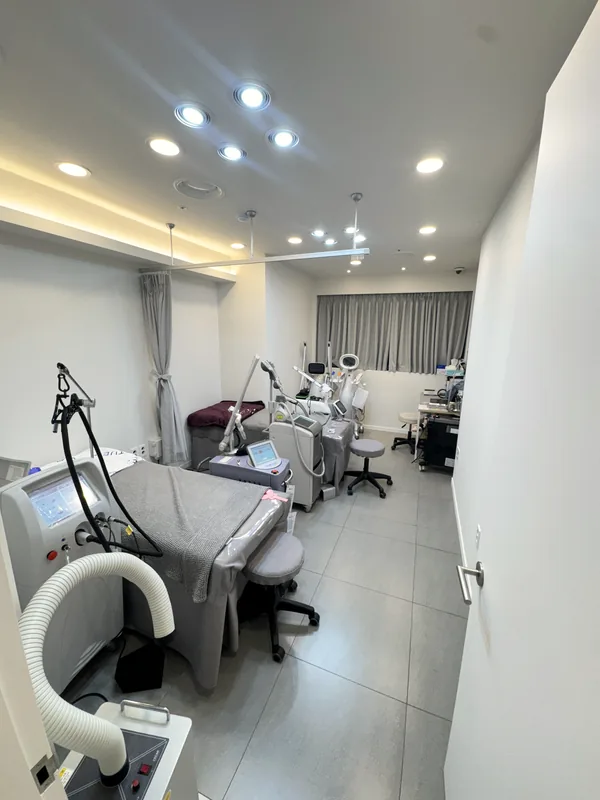
Treatments in this category
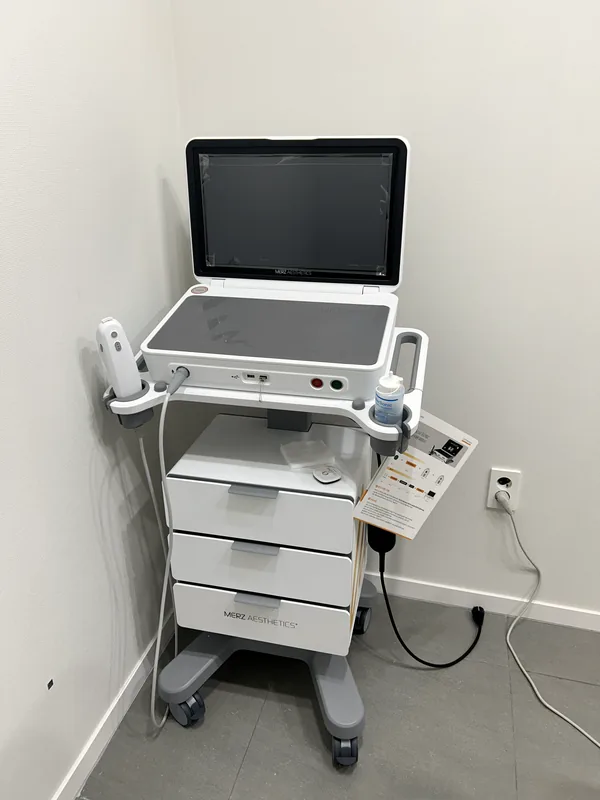
Revlite (laser toning)
Revlite is a Q-switched Nd:YAG platform, used in Korean clinics for what is called 레이저토닝 — laser toning: treating pigmen…
Read more
Fotona StarWalker
StarWalker is Fotona's Nd:YAG laser platform, notable for the range of wavelength and pulse combinations available. The …
Read more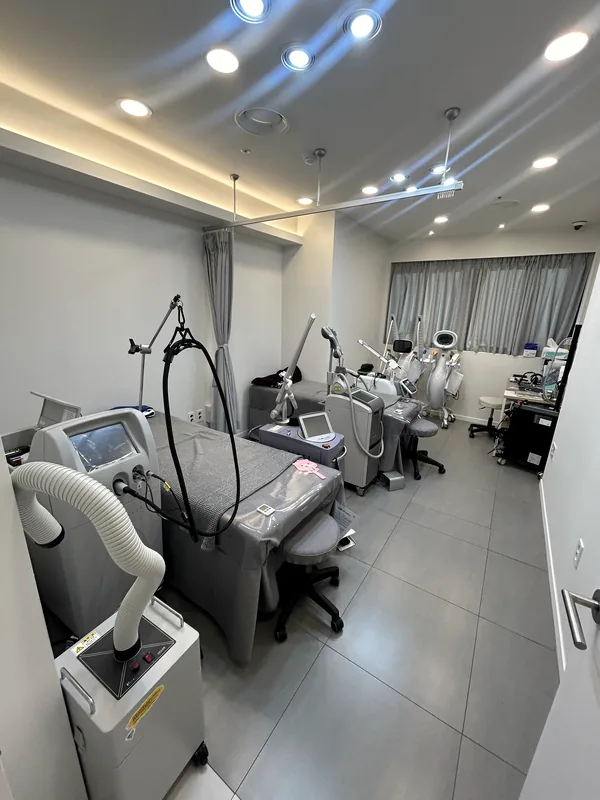
Cutera Genesis
Genesis is a 1064 nm non-ablative Nd:YAG laser with a distinctive delivery: the handpiece is kept moving above the skin,…
Read moreVbeam Perfecta
Vbeam Perfecta is a 595 nm pulsed dye laser (PDL). Its target is blood vessels, not pigment. If your concern is "my face…
Read moreGold PTT (photothermal therapy)
Gold PTT stands for Gold Photothermal Therapy. The approach differs from routine acne treatment: **gold nanoparticles ar…
Read morePearl (laser resurfacing)
Pearl is an ablative laser at 2790 nm. The clinic's description is direct: 「표피를 박피하여, 강력한 피부 재생 유도」 — **removing the epi…
Read more
Pearl Fractional
Pearl Fractional is the fractional version of the ablative laser, used for deeper problems than Pearl — more pronounced …
Read moreFirst, which kind of problem is it?
"Skin care" covers too much. The clinic breaks it into several tracks, each with its own devices and pace.
Epidermal and dermal pigment — freckles and sun spots sit in the epidermis: well-defined, shallow, relatively straightforward. Melasma sits deeper, has blurred edges, is driven by hormones and UV, and recurs readily; it needs low energy over several sessions rather than one aggressive pass.
Vascular redness — persistent flushing, visible capillaries, the red marks acne leaves. The source is blood vessels, not pigment, so a pigment laser is the wrong tool.
Active acne — inflamed lesions, pustules, comedones. The goal is to control inflammation and sebum, not to resurface; ablative treatment while inflammation is uncontrolled carries more risk than benefit.
After acne — red marks follow the vascular path, brown marks the pigment path, and pitted scars are a loss of dermal tissue needing collagen rebuilt — the territory of microneedle RF and fractional laser.
Texture and pores — dullness, rough texture, visible pores, mostly tied to keratin turnover, hydration, sebum and collagen.
At consultation the doctor assesses position and depth under light and by touch, then decides the device, wavelength and energy. Several problems together is common, and treatment is usually staged: control inflammation, then colour, then depressions and texture.
How the seven devices divide the work
| Device | Type | Main targets | Recovery |
|---|---|---|---|
| Revlite | Q-switched Nd:YAG (laser toning) | Melasma, hyperpigmentation, uneven tone | Very short |
| Fotona StarWalker | Multi-wavelength Nd:YAG platform | Mixed pigment, freckles, pores, laxity | Short; fine crusts when epidermal spots are treated |
| Cutera Genesis | 1064 nm non-ablative Nd:YAG | Redness, rough texture, fine lines | Very short |
| Vbeam Perfecta | 595 nm pulsed dye laser | Redness, telangiectasia, red acne marks | Short; 1–2 weeks of purpura at higher settings |
| Gold PTT | Gold nanoparticles + laser | Inflammatory acne, excess sebum, recurrence | Short |
| Pearl | 2790 nm ablative resurfacing | Shallow scars, enlarged pores, fine lines | Marked, 5–7 days or more |
| Pearl Fractional | Fractional ablative | Deeper pitted scars, pores | Marked, usually shorter than conventional CO2 fractional |
Also used: Virtue RF (microneedle RF, under Device Lifting), LDM (barrier support) and Aqua Peel (cleansing and infusion). For understanding the differences, not for choosing; the plan is decided at consultation.
Two things to know first
Sun protection isn't advice; it's a precondition. Skipping it during pigment treatment undoes the work as it is done; after ablative treatment the new skin is extremely UV-sensitive and the effort can turn straight into pigmentation. That part is on you.
Recovery varies enormously — plan your trip around it. Revlite and Genesis barely affect your day; Pearl and Pearl Fractional are ablative, with a definite crusting and flaking phase, and don't belong in a two- or three-day trip or right before an important occasion. If your stay is short, say so at consultation and the doctor will adjust the plan.
On courses
Almost nothing here is done in one session, for different reasons. Pigment is about balancing energy against risk — rebound-prone melasma often lightens briefly after a single high-energy pass, then comes back darker. Acne is driven by sleep, diet and hormones and needs ongoing management. Scar treatment is slow because collagen rebuilding is slow; improvement accumulates, and the final assessment is usually months after the course ends.
Any promise to "remove spots in one go" or "erase pitted scars in one session" deserves scepticism.
Book a consultation
The clinic is By appointment only; walk-ins cannot be accommodated. Please confirm a time in advance.